Food Safety
search
Ask Food Safety AI
cart
facebook twitter linkedin instagram youtube
  • Sign In
  • Create Account
  • Sign Out
  • My Account
Food Safety
  • NEWS
    • Latest News
    • White Papers
  • PRODUCTS
  • TOPICS
    • Contamination Control
    • Food Types
    • Management
    • Process Control
    • Regulatory
    • Sanitation
    • Supply Chain
    • Testing and Analysis
  • PODCAST
  • EXCLUSIVES
    • Food Safety Five Newsreel
    • eBooks
    • FSM Distinguished Service Award
    • Interactive Product Spotlights
    • Videos
  • BUYER'S GUIDE
  • MORE
    • NEWSLETTERS >
      • Archive Issues
      • Subscribe to eNews
    • Store
    • Sponsor Insights
    • ASK FSM AI
  • WEBINARS
  • FOOD SAFETY SUMMIT
  • EMAG
    • eMagazine
    • Archive Issues
    • Editorial Advisory Board
    • Contact
    • Advertise
  • SIGN UP!
NewsContamination ControlFood TypeSupply ChainChemical ControlIngredientsFoodservice/Retail

Walmart to Remove 11 Colorants, 30 Additives From Store-Brand Foods
By Food Safety Magazine Editorial Team
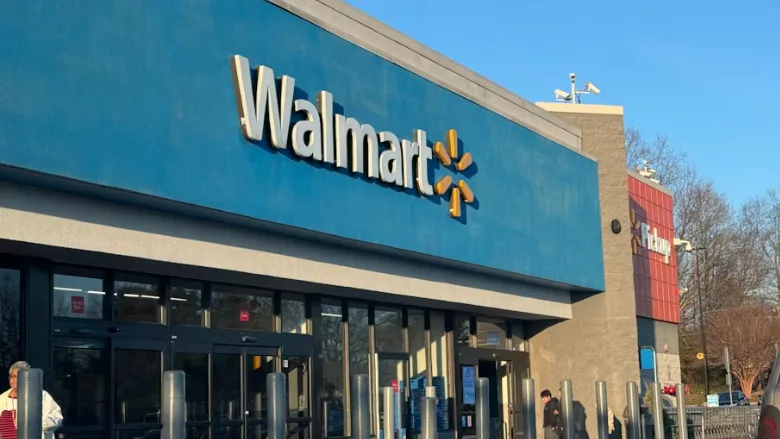
Walmart storefront
Image credit: David Montero via Unsplash
October 3, 2025

Walmart is the latest company to say it will remove synthetic dyes from its private-label food brands, as well as 30 other additives and chemicals, citing changing consumer preferences as the reason.

Reformulated products will begin rolling out in the coming months, with completed rollout expected by January 2027.

The change includes all Walmart U.S. private brands such as Great Value, Marketside, Freshness Guaranteed, and bettergoods. Walmart is working with private brand suppliers to adjust formulations and source alternative ingredients.

Walmart is removing 11 synthetic dyes from its products, namely:

  • Blue 1
  • Blue 2
  • Green 3 
  • Red 3     
  • Red 4     
  • Red 40
  • Yellow 5
  • Yellow 6
  • Citrus Red
  • Orange B
  • Canthaxanthin.

An additional 30 ingredients, including certain preservatives, artificial sweeteners, and fat substitutes will be phased out:

  • Titanium Dioxide
  • Azodicarbonamide
  • Dicotyl sodium sulfosuccinate (DSS)
  • Sucrose Polyester
  • Toluene
  • Anisole
  • Lye
  • Morpholine
  • Propylene oxide
  • Sodium stearyl fumarate
  • Stearyl tartrate
  • Ficin
  • Synthetic trans fatty acid
  • Butylparaben
  • Lactylated esters of mono- and diglycerides (OLEON)
  • Methylparaben
  • Propylparaben
  • Calcium bromate
  • Potassium bromate
  • Bromated flour
  • Neotame
  • Advantame
  • Phthalates
  • Potassium bisulfite
  • Potassium nitrate
  • Potassium nitrite
  • Simplesse
  • Sodium Ferrocyanide (aka Yellow Prussiate of Soda)
  • Sucroglycerides
  • Talc.

Walmart is the latest company to pledge to remove artificial dyes from its food products following the U.S. Food and Drug Administration’s (FDA’s) April announcement urging industry to cease the use of synthetic colorants, in line with U.S. Health Secretary Robert F. Kennedy Jr.'s (RFK Jr.'s) "Make America Healthy Again" (MAHA) agenda.

Some states—including California, Louisiana, and others—have also enacted their own bans on certain food dyes and additives, putting pressure on industry to reformulate their products.

Additional companies that have pledged to end the use of synthetic food colorants include, but are not limited to, the Campbell’s Company, Conagra Brands, Nestlé USA, General Mills, and The Kraft Heinz Company.

Looking for quick answers on food safety topics?
Try Ask FSM, our new smart AI search tool.
Ask FSM →


KEYWORDS: additives colorant MAHA Walmart

Share This Story

Fsm purple logo 200x200

The Food Safety Magazine editorial team comprises Bailee Henderson, Digital Editor ✉ and Adrienne Blume, M.A., Editorial Director.

Recommended Content

JOIN TODAY
to unlock your recommendations.

Already have an account? Sign In

  • people holding baby chicks

    Serovar Differences Matter: Utility of Deep Serotyping in Broiler Production and Processing

    This article discusses the significance of Salmonella in...
    Meat/Poultry
    By: Nikki Shariat Ph.D.
  • woman washing hands

    Building a Culture of Hygiene in the Food Processing Plant

    Everyone entering a food processing facility needs to...
    Sanitation
    By: Richard F. Stier, M.S.
  • graphical representation of earth over dirt

    Climate Change and Emerging Risks to Food Safety: Building Climate Resilience

    This article examines the multifaceted threats to food...
    Risk Assessment
    By: Maria Cristina Tirado Ph.D., D.V.M. and Shamini Albert Raj M.A.
Manage My Account
  • eMagazine Subscription
  • Subscribe to Newsletters
  • Manage My Preferences
  • Website Registration
  • Subscription Customer Service

More Videos

Sponsored Content

Sponsored Content is a special paid section where industry companies provide high quality, objective, non-commercial content around topics of interest to the Food Safety Magazine audience. All Sponsored Content is supplied by the advertising company and any opinions expressed in this article are those of the author and not necessarily reflect the views of Food Safety Magazine or its parent company, BNP Media. Interested in participating in our Sponsored Content section? Contact your local rep!

close
  • the use of dual-energy X-ray food inspection technology to identify foreign contaminants.
    Sponsored byEagle by METTLER TOLEDO

    Precision Inspection Starts with the Right X-ray Detector

  • This image depicts a worker cleaning stainless steel machinery in a food processing plant
    Sponsored byCintas

    Employee Uniforms: A Frontline Defense Against Food Contamination

  • This image depicts a healthcare professional managing a large volume of paperwork and transitioning to a digital workflow.
    Sponsored bySafetyChain

    The Invisible Plant Tax Starts with Your Records

Popular Stories

packages of beef at retail

Scientists Tackle Food Waste with More Accurate ‘Sell By’ Dates Based on Meat Microbial Activity

scientists using molecular model

Updated EU Food Chemical Safety Information Database Now Available

close-up of woman in suit writing on clipboard

FDA Launches One-Day Inspectional Assessments


Events

May 28, 2026

Advanced Sanitation Strategies for Allergen Risk Reduction in Food Processing

Live: May 28, 2026, at 2:00 pm EDT: From this webinar, attendees will learn why validation and verification are necessary for allergen control, and how analytical tools can support allergen management programs.

June 3, 2026

How to Build a Better Food Safety Training Program

Live: June 3, 2026 at 2:00 pm EDT: Join this webinar to learn how AI is impacting food safety training, and how you can leverage AI in your programs.

June 4, 2026

Building a Stronger Food Safety Program in a Changing GFSI Landscape

Live: June 4, 2026 at 11:00 am EDT: Attend this webinar to understand how GFSI requirements are evolving and what those changes signal for quality programs at food and beverage facilities.

View All

Products

Global Food Safety Microbial Interventions and Molecular Advancements

Global Food Safety Microbial Interventions and Molecular Advancements

See More Products

Related Articles

  • m&m cookie

    FDA Applauds Consumer Brands Association Initiative to Remove Artificial Colors From School Foods

    See More
  • Bowl of colorful breakfast cereal

    General Mills Plans to Remove Certified Colors from All U.S. Cereals and K-12 Foods by Summer 2026

    See More
  • FDA: Food Manufacturers Have 3 Years to Remove Trans Fat from Processed Foods

    See More

Related Products

See More Products
  • food-safety-making.jpg

    Food Safety: Making Foods Safe and Free From Pathogens

  • Food-Forensics-3D.jpg

    Food Forensics Handbook Practice, Instrumentation, Case Studies

  • 9781498721776.jpg

    Handbook of Food Processing: Food Safety, Quality, and Manufacturing Processes

See More Products

Events

View AllSubmit An Event
  • November 11, 2025

    Feeding the Future: How Lessons From 2025 Will Shape 2026

    On Demand: This webinar will bring together LRQA experts and industry leaders to explore how lessons from 2025 will shape 2026, focusing on building resilient, digitally enabled, and consumer-trusted food systems.
View AllSubmit An Event

Related Directories

  • ITW Pro Brands

    ITW Pro Brands is a manufacturer of lubricants, cleaning chemicals, and corrosion preventatives formulated to maximize equipment productivity and product quality for customers. With solutions for food processing facilities like LPS® DETEX® to foodservice SCRUBS® NO RINSE Food Surface Disinfectant Wipes, ITW Pro Brands products keep operations running smoothly.
×

Never miss the latest news and trends driving the food safety industry

Newsletters | Website | eMagazine

JOIN TODAY!
  • RESOURCES
    • Advertise
    • Contact Us
    • Directories
    • Store
    • Want More
  • SIGN UP TODAY
    • Create Account
    • eMagazine
    • Newsletters
    • Customer Service
    • Manage Preferences
  • SERVICES
    • Marketing Services
    • Reprints
    • Market Research
    • List Rental
    • Survey/Respondent Access
  • STAY CONNECTED
    • LinkedIn
    • Facebook
    • Instagram
    • X (Twitter)
  • PRIVACY
    • PRIVACY POLICY
    • TERMS & CONDITIONS
    • DO NOT SELL MY PERSONAL INFORMATION
    • PRIVACY REQUEST
    • ACCESSIBILITY

Copyright ©2026. All Rights Reserved BNP Media, Inc. and BNP Media II, LLC.

Design, CMS, Hosting & Web Development :: ePublishing